Industry Insights
The "Clay Render" Phase: Why It Is Crucial for Perfect Lighting
.png)
TL;DR: Key takeaways
- A clay render is a material-neutral draft that isolates lighting, composition, and geometry before any texturing begins.
- It exposes lighting and geometry issues while they are still cheap to fix, and aligns cameras and framing with the client early.
- Counterintuitively, adding this step speeds up the whole pipeline by cutting unforeseen revisions later.
- If the lighting foundation is wrong, no material work fixes the final image, which is why professional pipelines never skip it.
Before materials, textures and final polish come into play, there is a vital checkpoint in every professional visualization pipeline. The clay render. At first glance it appears simple. A greyscale scene with no textures and no surface detail. Yet this early pass carries significant influence over the quality of the final image.
Architects who skip or rush this phase often end up with lighting inconsistencies, unrealistic shadows or costly revision loops. Understanding why clay renders matter will help you safeguard both creative integrity and project efficiency.
What Exactly Is a Clay Render
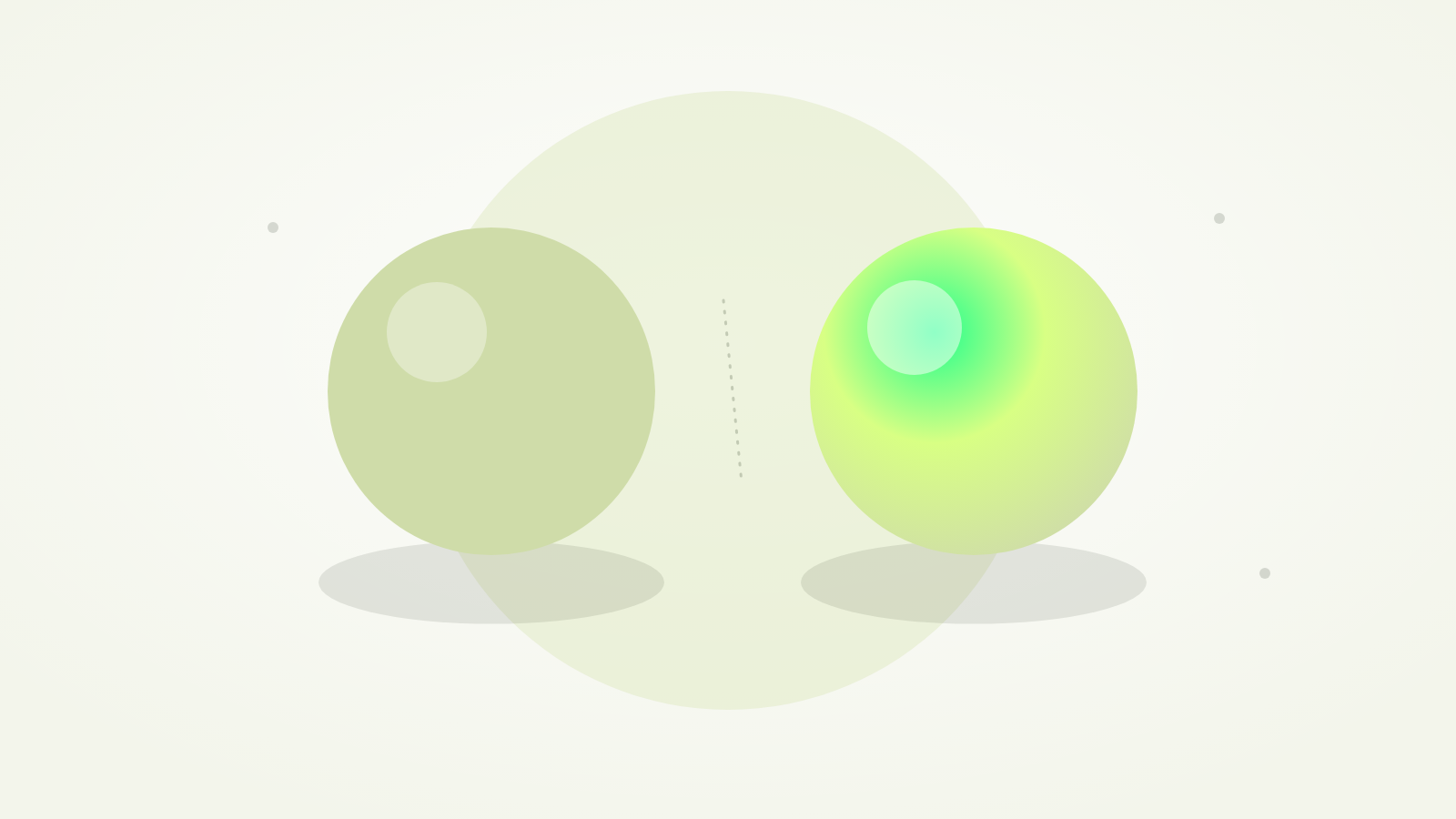
A clay render is a material neutral draft where every object is assigned a uniform shader. The goal is to evaluate only lighting, composition and geometry without the distraction of color or texture. Professional visualization teams use clay renders to validate the emotional tone of a space and confirm that lighting direction supports the design intent.
In workflows like Rendify’s RendifyOS based pipeline, clay renders are typically part of the early draft delivery within the first few days. This aligns architects and the production team before committing time to high fidelity material passes.
1. Clay Renders Expose Lighting Issues Before They Become Expensive
Lighting is one of the most time intensive aspects of rendering. If exposure, shadow density or highlight placement is off, no amount of texture work will fix the final result.
A clay render reveals these weaknesses immediately. Incorrect sun angles, flat interiors or poorly distributed artificial lighting stand out clearly in a neutral environment. Identifying these issues early prevents downstream rework that would otherwise consume additional rendering cycles and revision rounds.
Rendify prioritizes fast feedback at this stage to keep revisions within the standard twelve to twenty four hour window.
2. Clay Renders Build Confidence in Composition
Architectural storytelling relies on intentional viewpoints. Camera height, focal length and framing all dictate how clients perceive a design.
The clay render acts as a visual alignment tool between architects and the 3D team. It confirms that the scene composition communicates the right narrative before photoreal assets are applied. This reduces the risk of receiving a detailed final render that feels beautiful but off message.
3. Clay Renders Help Architects Review Geometry Without Distraction
When materials are added too early, geometry flaws can hide behind texture detail. A clay render exposes everything. Wall intersections, missing trims, overly reflective glazing proportions or inaccurate floor levels become easy to spot.
This clean view helps architects verify that the model reflects their drawings accurately. It also ensures the 3D team is working with a correct geometric foundation before progressing into material realism.
4. Clay Renders Accelerate the Entire Production Pipeline
Ironically, adding a step can speed up the whole workflow. Clay renders drastically reduce the number of unforeseen revisions once detail work begins. Teams waste less time re lighting scenes or re exporting assets.
Rendify’s hybrid production method, which combines top one percent global CGI talent with AI enhanced workflows, is optimized around this principle. Early stage alignment makes the rapid delivery window for drafts reliable across project types.
5. Clay Renders Protect the Final Quality Standard
Photorealistic visuals depend on subtle interactions between materials and light. If the lighting foundation is wrong, even the most advanced V Ray or Corona material setups will not look correct.
Since Rendify uses Autodesk 3ds Max with V Ray and Corona for all rendering work, clay passes ensure these tools are leveraged to their full quality potential. This phase gives artists and architects a common checkpoint to lock in the exact tone, mood and brightness before the final artistic pass begins.
Why Clay Renders Matter for Architects in Particular
Architects are visual communicators. Your work must inspire confidence, win clients and help stakeholders understand spatial intent. Clay renders bridge the gap between technical modeling and emotional storytelling.
They offer a moment of clarity where the only thing that matters is light. Not color. Not finishes. Just spatial truth. This is where many great renders are born.
Conclusion
The clay render phase is not a formality. It is the foundation of high end visualization. Skipping it introduces risk. Embracing it elevates the final product while protecting budgets and timelines.
Rendify integrates clay renders seamlessly into its subscription workflow so architects receive fast, consistent lighting validation before any high fidelity work begins. With global top tier artists, AI enhanced production methods and predictable subscription pricing, firms can rely on a repeatable process that produces exceptional results without bottlenecks or waste.

Need client-ready 3D assets at scale?
One flat rate, daily updates, and a dedicated team from 85+ top artists.

Related comparison
See the side-by-side →FAQs
What is a clay render?
A greyscale draft where every object gets a uniform material, used to evaluate lighting, composition, and geometry without the distraction of color or texture.
Does the clay phase slow projects down?
The opposite. It front-loads the expensive decisions, so detail work proceeds without re-lighting scenes or reworking geometry late in the pipeline.
Is a clay pass included in Rendify projects?
Yes. Clay passes are part of the standard workflow, with daily updates so you approve lighting and composition before final detailing begins.
How do I get started?
Book a demo. We map your pipeline to a plan and your team is briefing us within days.