Industry Insights
What to Look for in a 3D Rendering Partner (Checklist)
TL;DR: Key takeaways
- Evaluate consistency across a full portfolio, not a few hero images.
- Demand a predictable pricing model, clear turnaround expectations, and capacity that scales without quality loss.
- Non-negotiables: full ownership of files and assets, a defined workflow, and experienced human artists behind any AI tooling.
- The best partner is the one that fits your workflow and delivers consistent quality at a predictable cost.
Choosing the right 3D rendering partner can have a major impact on your design workflow, timelines, and final output quality. Whether you are an architecture firm, interior design studio, or product brand, the wrong partner can slow projects down, introduce inconsistencies, or create unexpected costs.
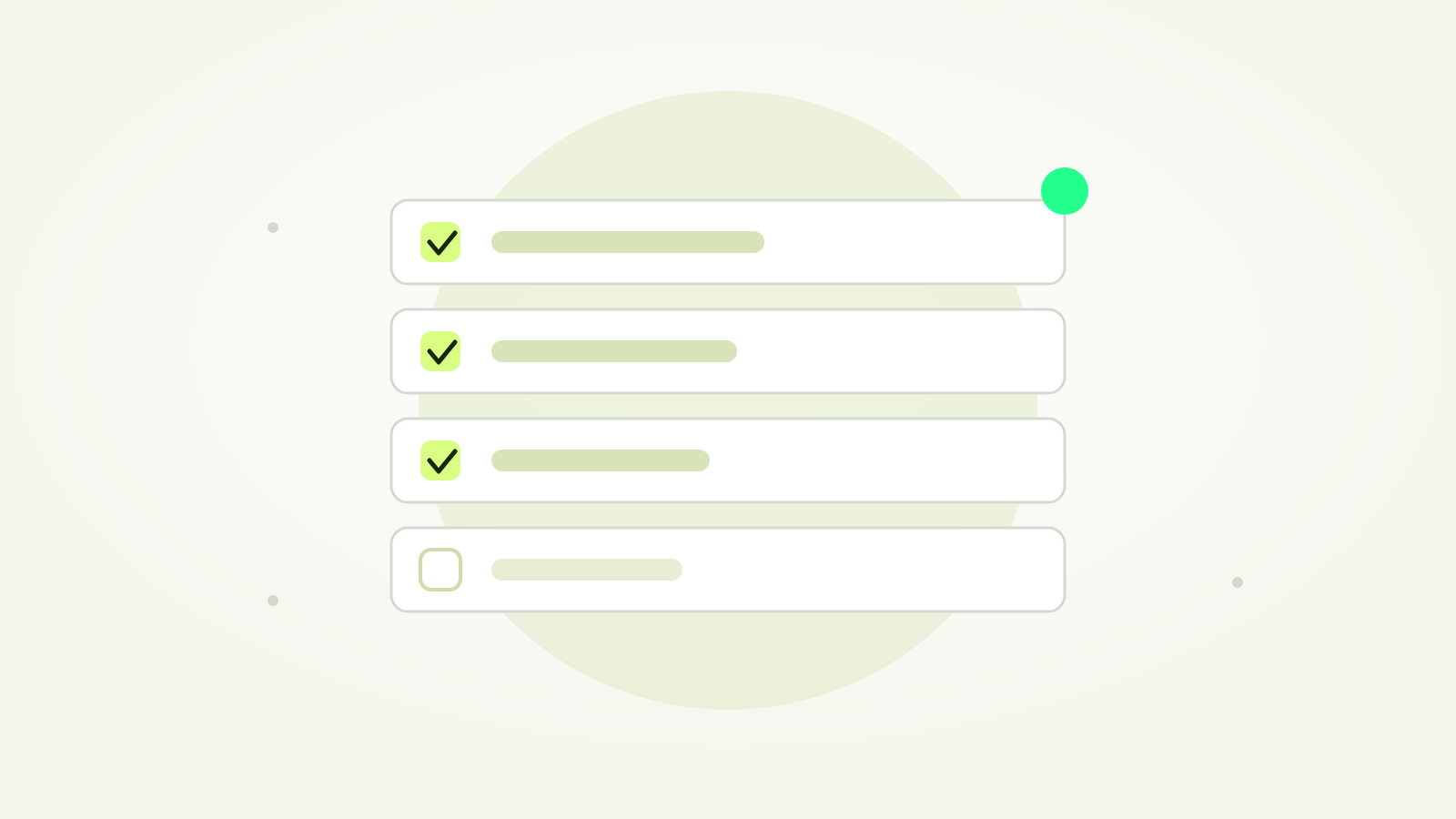
This checklist breaks down the most important criteria to evaluate before committing to a 3D rendering partner.
1. Proven Visual Quality Across Real Projects
A strong portfolio is non negotiable.
Look beyond a few hero images and check for consistency across different project types such as interiors, exteriors, furniture, and lifestyle scenes. Pay attention to lighting realism, material accuracy, scale, and composition.
A reliable partner should demonstrate the ability to handle both simple and complex scenes without quality dropping under volume or time pressure.
2. Clear and Predictable Pricing Model
One of the biggest pain points in 3D rendering is unpredictable pricing.
Many studios charge per image or per project, which makes it difficult to forecast costs over time. Freelancers may be cheaper upfront but often introduce scope creep or hidden revision fees.
Look for a pricing model that is transparent and easy to budget for. Subscription based models are increasingly popular because they remove per project negotiations and allow teams to plan monthly output with confidence.
3. Fast and Reliable Turnaround Times
Speed matters, especially when 3D visuals sit on the critical path for approvals, marketing launches, or client presentations.
Ask clear questions about typical turnaround times for first drafts and revisions. A good partner should be able to provide realistic timelines and meet them consistently.
Also pay attention to how revisions are handled. Unlimited revisions are only valuable if they are delivered quickly and without friction.
4. Scalable Capacity Without Quality Loss
Your needs will change over time.
Some months require only a few renders, while others demand high volume output across multiple projects. A strong 3D rendering partner should be able to scale up or down without forcing you to re onboard new artists or compromise on quality.
This is especially important for growing firms, seasonal workloads, or teams managing multiple clients at once.
5. Ownership of Source Files and Assets
Always clarify who owns the final files.
You should retain full ownership of all rendered images, 3D models, and source files created for your projects. This ensures flexibility for future edits, handoffs to other vendors, or reuse across marketing channels.
Avoid partners who restrict access to source files or charge extra for ownership rights.
6. Clear Communication and Workflow
Great visuals mean little if communication is slow or unclear.
Look for a partner with a defined workflow for submitting requests, tracking progress, and giving feedback. Tools like shared boards, structured briefs, and clear review stages reduce friction and misalignment.
The best partners feel like an extension of your internal team rather than an external vendor you have to chase.
7. Experienced Human Artists, Not Just Automation
AI is increasingly part of modern 3D workflows, but it should enhance human work, not replace it.
Make sure your partner relies on skilled artists who understand design intent, lighting, and storytelling. AI should be used to accelerate repetitive tasks, optimize workflows, and improve consistency, while creative decisions remain human led.
8. Industry Experience That Matches Your Needs
Different industries have different expectations.
Architectural visualization requires an understanding of scale, materials, and spatial accuracy. Product and furniture rendering demands attention to proportions, finishes, and branding. Hospitality and real estate bring their own challenges.
Choose a partner with experience in your specific domain so you spend less time explaining fundamentals and more time refining outcomes.
Final Thoughts
The best 3D rendering partner is not just the one with the nicest images. It is the one that fits seamlessly into your workflow, scales with your needs, and delivers consistent quality at a predictable cost.
Use this checklist as a framework when evaluating options and you will avoid many of the common frustrations teams face with traditional rendering studios and freelancers.

Need client-ready 3D assets at scale?
One flat rate, daily updates, and a dedicated team from 85+ top artists.

Related comparison
See the side-by-side →FAQs
What should I ask a rendering partner before signing?
How pricing behaves when scope changes, what typical first-draft and revision turnarounds look like, who owns the files, and how feedback actually flows.
What are red flags in a rendering vendor?
Per-image pricing that punishes iteration, proprietary source files, portfolio inconsistency across project types, and vague answers about who does the work.
Does Rendify check these boxes?
That is the model: flat-rate subscription, dedicated team from 85+ top 1% artists, daily updates and fast turnaround, RendifyOS for briefing and approvals, and full ownership of everything produced.
How do I get started?
Book a demo. We map your pipeline to a plan and your team is briefing us within days.